By Anne Marie Smith, Ph.D., CBIP, ARM, FIDM, FIIM
What is a methodology? A common definition is: A system of broad principles or rules from which specific methods or procedures may be derived to interpret or solve different problems within the scope of a particular discipline. Unlike an algorithm, a methodology is not a formula, but a set of practices collected and organized by experts to achieve common high-quality results.
The general aim of a data management methodology is to be able to standardize, structure, and organize work methods for all data-related activities. This allows the organization to repeat successful aspects and learn from mistakes, resulting in a continuous improvement process. In other words, a methodology is a great tool for generating efficiency and effectiveness in every aspect of data management.
An enterprise data management methodology is a system of broad principles, guidelines and rules that determine how specific procedures or activities can be defined and performed to help all members of the organization collect, define, store, use, and manage data to achieve the organization’s goals. The methodology logically structures the framework for the common activities in data management. Using the methodology consistently allows each business area to use the same phase-driven pattern in all data management functions, such as data governance, metadata management, data quality management data security, data architecture, and more.
Using a methodology increases the probability of success and moves the organization closer to the norms, best practices, and standards of the disciplines in data management. Many data management methodologies start with or are focused on the core function of data governance.
What are the components of a data management methodology?
• A set of processes to manage all data-related projects within an accepted data management framework.
• A set of competencies to build the required skills in each area of data management
• A set of tools, forms and templates to standardize information and enable analysis of results
To put it simply, a company gains the following benefits from using a consistent methodology in all data management activities:
• More chances of success in any data-related initiative
• More time spent on improving operations and conducting analysis and less on re-doing failed activities
• No unnecessary actions and all activities clearly understood by all stakeholders and responsible staff
• Consistent reporting and analysis for evaluating organizational results using trusted, accessible, and accurate data/information
Sometimes, a lack of a standard data management methodology is replaced by multiple methodologies within the same company, but in different departments and teams. For example, one business unit uses one format for data definitions, while another business unit does not use a standard format, and a third has no formal method for approving the data definitions. Each unit can do their internal projects and tasks effectively; however, when it comes to collaboration and resource sharing, they are likely to be confused. Adopting a standard methodology for managing data can lead to more common practices and less confusion – better operations and clearer decisions.
Adopting a consistent methodological approach for all the data management functions will address the challenge of doing the right things consistently, thereby increasing the chances of your data management programs succeeding. Using a data management methodology enables an organization to address all variables that could cause data-related challenges by providing a pattern of all the necessary steps to be taken for achieving success in data governance, data quality management, etc. Following the right steps ensures that the work is done according to the best practices and standards as defined by data management experts. This can help ensure that all data management programs and projects are aligned for success.
While adopting and using a data management methodology is important for all organizational data-related programs, it is most critical to ensure the success of complex initiatives such as a master data management program or a data governance function. Attempting to implement MDM or data governance without having adopted and socialized a data management methodology can result in failure.
Establishing and consistently applying a robust data management methodology provides the structure and clarity needed to manage data effectively across the organization. By standardizing processes, strengthening competencies, and using common tools, businesses can reduce confusion, improve collaboration, and increase the success rate of all data-related initiatives. Most importantly, a unified methodology creates a solid foundation for complex efforts such as data governance and master data management, ensuring these programs are aligned, repeatable, and positioned for long-term success.
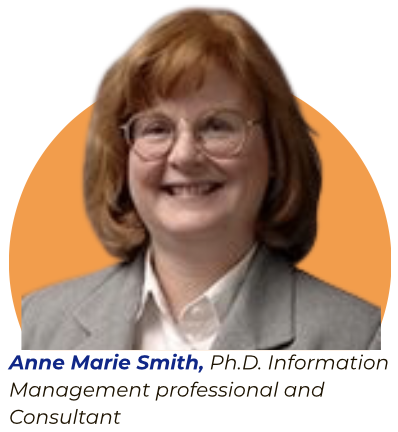
Dr. Anne Marie Smith: Architect of Modern Data Management Practices and Educator of the Profession
Anne Marie Smith, Ph.D. is an Information Management professional and consultant with broad experience across industries. She is a certified data management professional (CDMP), and is a frequent speaker and an author on data management topics. Anne Marie is a primary author of several sections of the DAMA-Data Management Body of Knowledge (DAMA-DMBOK). Anne Marie received the DAMA International Professional Achievement Award in 2015. She was awarded the designation of “Fellow of Insurance Data Management” and “Fellow of International Information Management” and holds numerous certifications.
Anne Marie’s consulting areas include: enterprise information management strategy and planning, enterprise information assessment and program development, data governance program development, data warehousing, business requirements gathering and analysis, master data management, data quality management, data architecture. She has taught numerous workshops and courses in her areas of expertise.
Anne Marie holds the degrees of Bachelor of Arts and Master’s of Business Administration in Management Information Systems (MIS) and Risk Management from La Salle University; she earned a Ph.D. in MIS at Northcentral University.
Join Our Data Community
At Data Principles, we believe in making data powerful and accessible. Get monthly insights, practical advice, and company updates delivered straight to your inbox. Subscribe and be part of the journey!