By Anne Marie Smith, Ph.D., CBIP, ARM, FIDM, FIIM
In today’s data-driven world, organizations rely heavily on data to make strategic decisions, improve customer experiences, and drive innovation. However, with great power comes great responsibility. The ethical use of data is not just a legal or compliance issue—it’s a cornerstone of trust, integrity, and long-term success. Teaching and implementing ethical data practices within an organization is essential to ensure that data is used responsibly, transparently, and in ways that respect individual rights and societal norms.
1. Building a Culture of Trust
Ethical data use begins with trust. Customers, employees, and stakeholders must feel confident that their data is being handled with care. When organizations prioritize ethical data practices, they demonstrate respect for privacy and transparency. This builds loyalty and strengthens relationships. Teaching employees about ethical data handling helps embed these values into the organizational culture, making ethical behavior the norm rather than the exception.
2. Compliance with Laws and Regulations
Data privacy laws such as the General Data Protection Regulation (GDPR) in Europe and the California Consumer Privacy Act (CCPA) in the U.S. set strict guidelines for how personal data should be collected, stored, and used. Ethical data practices ensure compliance with these regulations, reducing the risk of legal penalties and reputational damage. Training employees on these laws helps them understand the importance of consent, data minimization, and secure data storage.
3. Preventing Data Misuse and Bias
Unethical data use can lead to serious consequences, including discrimination, misinformation, and exploitation. For example, biased algorithms can perpetuate inequality in hiring, lending, or law enforcement. Teaching ethical data use involves educating teams about the risks of bias, the importance of diverse data sets, and the need for regular audits. Implementing ethical guidelines ensures that data is used fairly and equitably.
4. Enhancing Decision-Making
Ethical data use improves the quality of decision-making. When data is collected and analyzed responsibly, it leads to more accurate insights and better outcomes. Employees trained in ethical data practices are more likely to question the validity of data sources, understand the limitations of analytics, and avoid misleading interpretations. This critical thinking is essential for sound business decisions.
5. Safeguarding Reputation and Brand Integrity
A single data breach or unethical data use incident can severely damage an organization’s reputation. Consumers are increasingly aware of how their data is used and are quick to hold companies accountable. By implementing ethical data policies and training programs, organizations can proactively protect their brand and demonstrate their commitment to responsible data stewardship.
6. Fostering Innovation Responsibly
Data is a powerful tool for innovation, but it must be used responsibly. Ethical data use encourages creativity within boundaries, ensuring that new technologies and solutions do not harm individuals or communities. Teaching ethical principles helps teams innovate with empathy, considering the broader impact of their work.
7. Creating Accountability and Governance
Ethical data use requires clear policies, roles, and accountability. Organizations must establish data governance frameworks that define who can access data, how it should be used, and what safeguards are in place. Training employees on these frameworks ensures consistency and accountability across departments.
Conclusion
Ethical data use is not a one-time initiative—it’s an ongoing commitment that must be woven into the fabric of an organization. By teaching employees about ethical principles and implementing robust data governance practices, organizations can harness the power of data while safeguarding privacy, fairness, and trust. In a world where data is currency, ethics is the foundation that ensures its responsible and sustainable use.
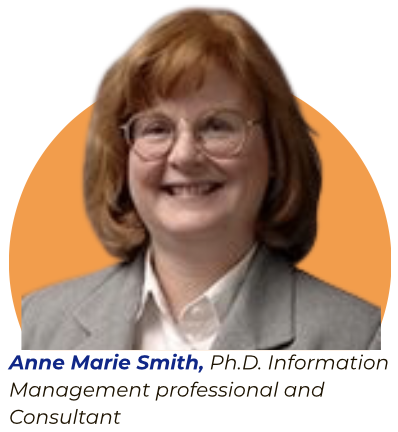
Dr. Anne Marie Smith: Architect of Modern Data Management Practices and Educator of the Profession
Anne Marie Smith, Ph.D. is an Information Management professional and consultant with broad experience across industries. She is a certified data management professional (CDMP), and is a frequent speaker and an author on data management topics. Anne Marie is a primary author of several sections of the DAMA-Data Management Body of Knowledge (DAMA-DMBOK). Anne Marie received the DAMA International Professional Achievement Award in 2015. She was awarded the designation of “Fellow of Insurance Data Management” and “Fellow of International Information Management” and holds numerous certifications.
Anne Marie’s consulting areas include: enterprise information management strategy and planning, enterprise information assessment and program development, data governance program development, data warehousing, business requirements gathering and analysis, master data management, data quality management, data architecture. She has taught numerous workshops and courses in her areas of expertise.
Anne Marie holds the degrees of Bachelor of Arts and Master’s of Business Administration in Management Information Systems (MIS) and Risk Management from La Salle University; she earned a Ph.D. in MIS at Northcentral University.
Join Our Data Community
At Data Principles, we believe in making data powerful and accessible. Get monthly insights, practical advice, and company updates delivered straight to your inbox. Subscribe and be part of the journey!